
In many adventure destinations, a traveler can choose among a dozen companies offering the same hike, on the same route, at roughly the same price, with photos of the same views. On paper, the trips look interchangeable. What separates them often goes beyond the itinerary. It is the people, choices, and purpose behind it, and how well a business shares that story.
Storytelling is often treated as a task for brands with marketing departments and budgets to match. In practice, it may be one of the most accessible tools small adventure travel businesses have. That was the shared view of Roberta Scott, Marketing Director at the Adventure Travel Trade Association® (ATTA), and Archana Singh, a travel journalist, brand strategist, and founder of boutique travel company Travel See Write, who spoke on the topic at a recent ATTA Virtual AdventureCONNECT.
What Travelers Remember
Years after a trip, travelers may forget the name of a viewpoint or the dish they ate, but they remember how a place made them feel. Singh traces that feeling to two sources: people and emotion. In India, she noted, the sutradhar is the connector who links visitors to the soul of a place. Guides and operators play that role, and they are the characters that make a travel story worth retelling.
This aligns with a broader shift in what travelers value. Interest is moving away from checklists of attractions and toward experiences that feel personal, immersive, and hard to replicate. Even the meaning of luxury is changing, with more travelers defining it as time in remote places, close contact with local culture, or the chance to contribute to a community, rather than a five-star room.
For smaller operators, this is an opportunity. Founders often answer inquiries themselves, know their guides personally, and design every element of a trip. "Smaller operators might even have more of an advantage here," Scott said, "because they're much closer to the experience itself."
Finding the Story Hidden in Everyday Decisions
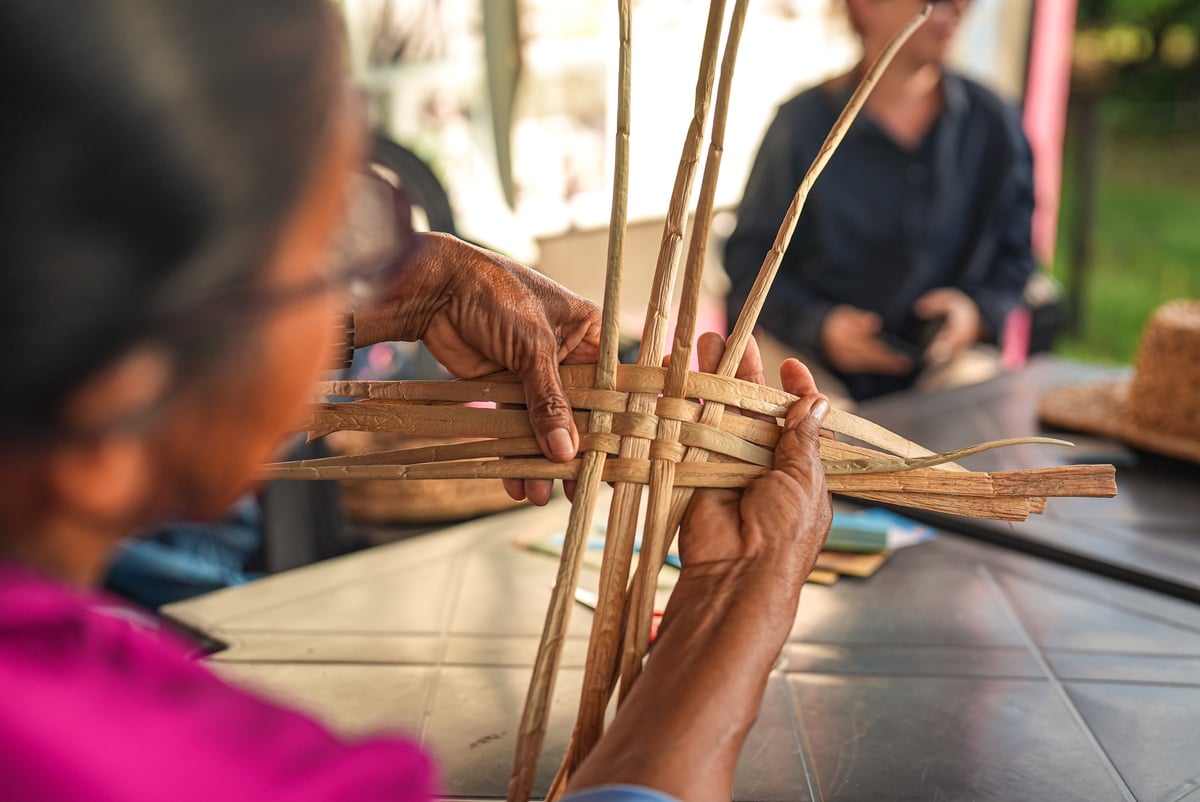
Many operators are skilled at designing and delivering trips but do not think of themselves as storytellers. Part of the challenge is that what feels routine to a business, such as its relationships with local partners or the reasons behind a route, can be fascinating to someone encountering it for the first time.
Scott suggests looking for the moments when guests respond. What do they always ask about? When do they lean in while a guide is talking? What do they mention in reviews? If guests consistently praise a lunch stop with a local host, there is a story there, even if the itinerary simply says "lunch included." Operators who sell through agents and tour operators can also ask those partners what they find hardest to explain to clients.
Singh's starting point is a single question: why? Asking why a business exists often reveals something much larger than the product. She points to a homestay owner in Uttarakhand, a mountainous Indian state where many residents leave in search of work. After leaving the armed forces, he returned to his ancestral village, built a road, and opened a homestay to show neighbors that tourism could provide a living. He has since started an agricultural business that employs local women, begun restoring century-old homes with his wife, an architect, and laid plans for an eco school. Travelers who hear that story understand that their visit supports something meaningful.
Operators working outside their home culture face a particular challenge in uncovering these stories. Singh recommends starting with simple, everyday experiences alongside residents: a forest walk with an Indigenous guide, a visit to a local hot spring, or a family meal where hosts explain where each ingredient comes from. Conversations follow naturally, and people tend to open up with each visit. Hearing directly from community members about how tourism affects them also gives operators credible material to share with travelers who want their spending to make a difference.
One Story, Many Channels
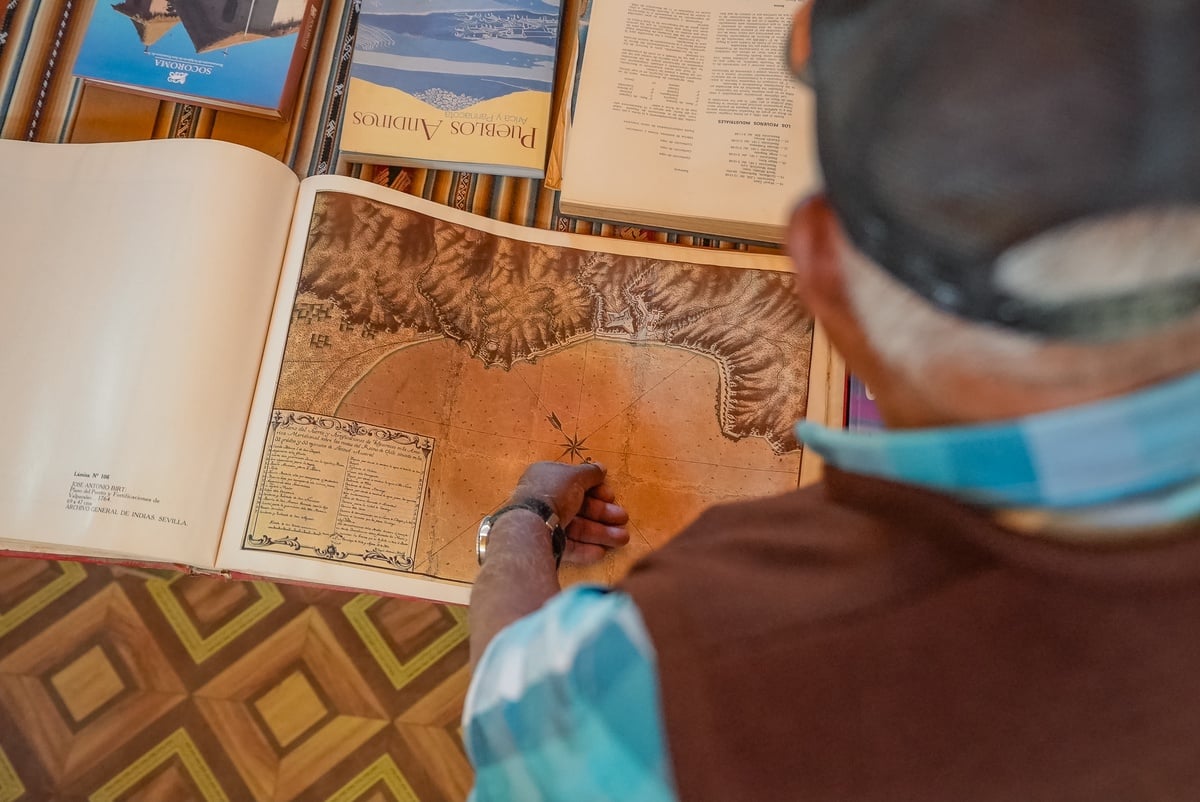
A strong story can work across every channel a business uses, as long as the core stays consistent and the telling fits the setting. Using the example of a guide who grew up in the region where they now lead hikes, Scott outlines how this might look in practice. On social media, where the goal might be discovery, a short video of the guide sharing one detail they love showing visitors can spark interest. In a newsletter, subscribers who already follow the company have room for more depth, such as how the guide got started and what their roots add to the trip, with a link to a departure they lead. On the website, a photo and short quote on the relevant trip page help travelers and travel advisors picture the experience.
This approach is realistic for small teams. One conversation with a guide or partner can produce a video clip, a newsletter feature, and a website quote. Before publishing, Scott recommends three questions: Who is this for? What should they take away? What is the most useful next step?
Pitching the Media: Why, Why You, and Why Now
A good story still needs people to carry it, whether journalists, clients, suppliers, or guides. When it comes to earning media coverage, Singh applies three tests drawn from her experience as both a freelance writer and an operator.
- Relevance: Rather than announcing a new tour, connect it to a trend editors are already covering, such as changing ideas of luxury or new traveler segments seeking adventure.
- Authority: Explain why your business is the right one to tell this story, based on its experience and track record.
- Timing: Publications plan months ahead, so a pitch sent in November should look toward spring or summer, not the winter holidays.
She also advises focusing each pitch on one story, avoiding generic emails, and preparing a one-page media kit with high-resolution photos and video. Offering access to guides and other experts helps, since most articles draw on several voices. Where possible, invite journalists to experience the trip firsthand, because they may find an angle the business had not considered.
A Simple Place to Start
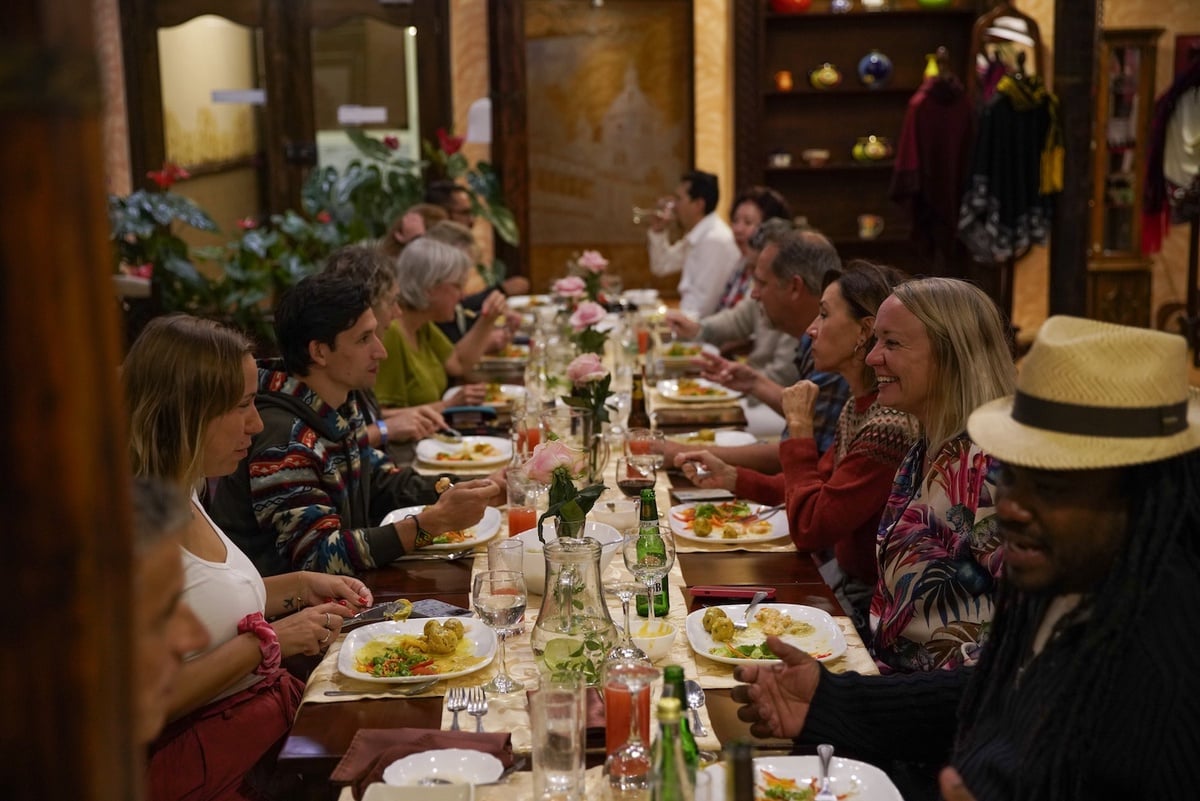
For businesses without a dedicated marketing team, Scott suggests starting small: choose one real question a traveler or trade partner has asked, and answer it with a specific example. If guests often ask whether they need kayaking experience, describe how guides help beginners feel comfortable before setting off, and, with permission, share the story of a nervous guest who gained confidence on the water. A routine question becomes evidence of the care behind the experience, and that builds trust.
Adventure travel businesses have no shortage of passion. Their founders and guides chose this work for a reason, and those reasons attract travelers who share their values. The opportunity is to reflect on the choices behind each trip and share them openly, so the experience comes through before a traveler ever books.
Want to hear more from the panel? Watch the full recording of “Beyond the Itinerary: Storytelling That Makes Travel Experiences Stand Out” on the HUB for more storytelling insights and practical examples from Roberta Scott and Archana Singh.
Continue the Conversation
ATTA's Asia Pacific team hosts monthly MemberCONNECT sessions and quarterly Virtual AdventureCONNECT events on the HUB, ATTA's networking app and a home for member learning and conversation. The next Virtual AdventureCONNECT, planned for early 2027, will focus on artificial intelligence (AI).
Ready to bring your own stories to life on camera? ATTA’s online course, Video Storytelling to Inspire Adventure Travelers, shows you how to turn the people and moments behind your trips into short videos travelers remember. Become an ATTA member, and the course can be yours with your membership.
You can also connect with ATTA and your adventure travel community in person at:
AdventureELEVATE® North America 2027 in Bentonville, Arkansas, in April
AdventureELEVATE® Latin America 2027 in Chiapas, Mexico, in May
Adventure Travel World Summit® (ATWS) 2027 in Andalucía, Spain, in October - Early access pricing available!