More than 25 years ago, Joe Pine and Jim Gilmore (who also spoke at ATTA’s 2008 Adventure Travel World Summit in Brazil) published a Harvard Business Review article that would reshape how industries think about value. In “Welcome to the Experience Economy,” they argued that as goods and services become commoditized, the next competitive frontier is staging memorable experiences by making the experience itself the product.
Few sectors embodied that shift as naturally as adventure travel. Long before “immersive” became a marketing staple, adventure operators were designing journeys rooted in participation: trekking rather than touring, cooking instead of only consuming, engaging rather than observing. Experience wasn’t an add-on; it was the core offering. But today, the experience economy is no longer emerging. It is established. And that changes the equation.
When nearly every travel brand promises meaningful, authentic, immersive engagement, experience alone is no longer a differentiator. As the industry matures, the opportunity lies in elevating how experiences are thoughtfully designed, delivered, and sustained over time.
The future of adventure travel may depend less on bold claims and more on crafting layered, responsible, and enduring experiences that resonate long after the journey ends.
Experience Is the Baseline
The rise of the experience economy aligned seamlessly with broader consumer shifts: prioritizing doing over owning, stories over souvenirs, participation over passive comfort. Adventure travel was well positioned. Today, however, rich experiences are simply expected.
Luxury hotels offer cultural workshops. Cruise lines emphasize local immersion. Urban tourism boards promote neighborhood authenticity. Language once distinctive to adventure has gone mainstream. In this landscape, competitive advantage depends not on claiming experience, but on deepening it by designing journeys with intention, shaping narrative and pacing, providing meaningful context, and considering lasting impact.
Designing for Depth, Not Drama
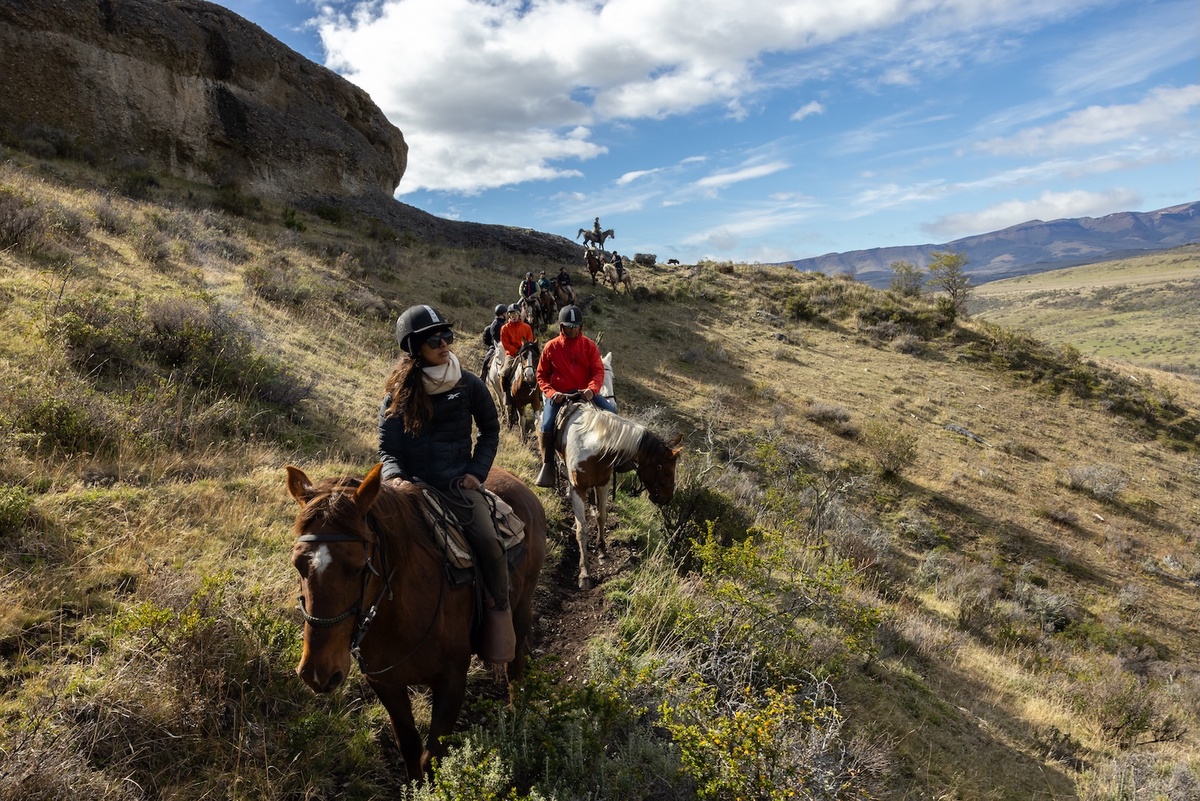
The industry’s emphasis on peak, life-altering journeys has often centered on emotional highs: summiting a mountain, encountering wildlife, sharing a powerful conversation with a local host. These moments matter. But they are moments. A mature experience economy requires more than a collection of highlights.
Depth comes from structure:
- Preparing travelers before departure with context and education
- Integrating local voices as authors, not performers
- Allowing time for reflection rather than constant stimulation
- Acknowledging complexity instead of simplifying culture or conservation challenges
Consider the difference between visiting a community project for an hour and understanding the long-term economic and environmental realities shaping that community’s decisions. Or the difference between tasting local cuisine and exploring how land access, climate pressures, and migration patterns influence what appears on the table.
Intensity creates memory. Context creates meaning. Operators who invest in layered storytelling and thoughtful pacing design experiences that carry weight well beyond a single photo opportunity.
“Intensity creates memory. Context creates meaning.”
From Access to Participation
In the early days of experiential travel, access itself felt novel: entering a local home, attending a ceremony, stepping into remote landscapes. But access can become transactional if not handled with care. As traveler awareness grows around overtourism and cultural commodification, expectations are shifting, and participation must be grounded in reciprocity.
This may include:
- Citizen science contributions during wildlife trips
- Community-led itinerary design
- Transparent discussions about tourism’s trade-offs
- Ongoing conservation narratives that extend beyond a single visit
The shift is subtle but significant. Experience is no longer about witnessing; it is about understanding one’s role within a larger system. Travelers increasingly want to know: How does my presence matter? Who benefits? What continues after I leave?
Adventure travel, with its smaller group sizes and established local partnerships, is well positioned to answer these questions, if it chooses to prioritize them.

Experience as Relationship, Not Transaction
Another marker of a maturing experience economy is continuity. For years, adventure marketing leaned heavily on the once-in-a-lifetime expedition. But today’s travelers are often building identities around exploration. They don’t see adventure as a singular milestone; they see it as an ongoing practice.
This creates opportunity. Alumni networks, multi-stage journey series, thematic expeditions, and return-to-region pathways shift the business model from single transactions to sustained relationships.
When a traveler returns to the same destination over several years, perhaps progressing from introductory trek to conservation-focused expedition, the experience becomes enhanced with meaning over time. This continuity also benefits host communities. Long-term partnerships foster stability, trust, and more equitable economic flows.
The Ethics of Experience
As experience becomes the product, responsibility becomes inseparable from design. Superficial immersion is increasingly easy to spot. Travelers are more informed and more skeptical of exaggerated claims. Sustainability messaging without operational substance erodes trust quickly.
The maturing experience economy rewards integrity:
- Clear explanations of where traveler dollars go
- Honest acknowledgment of environmental limits
- Co-created experiences shaped by local partners
- Avoiding overstated claims of “changing lives”
Adventure travel has long positioned itself as values-driven. Now, the task is to demonstrate that those values are embedded in the structure of the experience, not layered on afterward in marketing copy. Designing experiences is not only a creative exercise; it is an ethical one.
Moving Beyond the Buzzwords
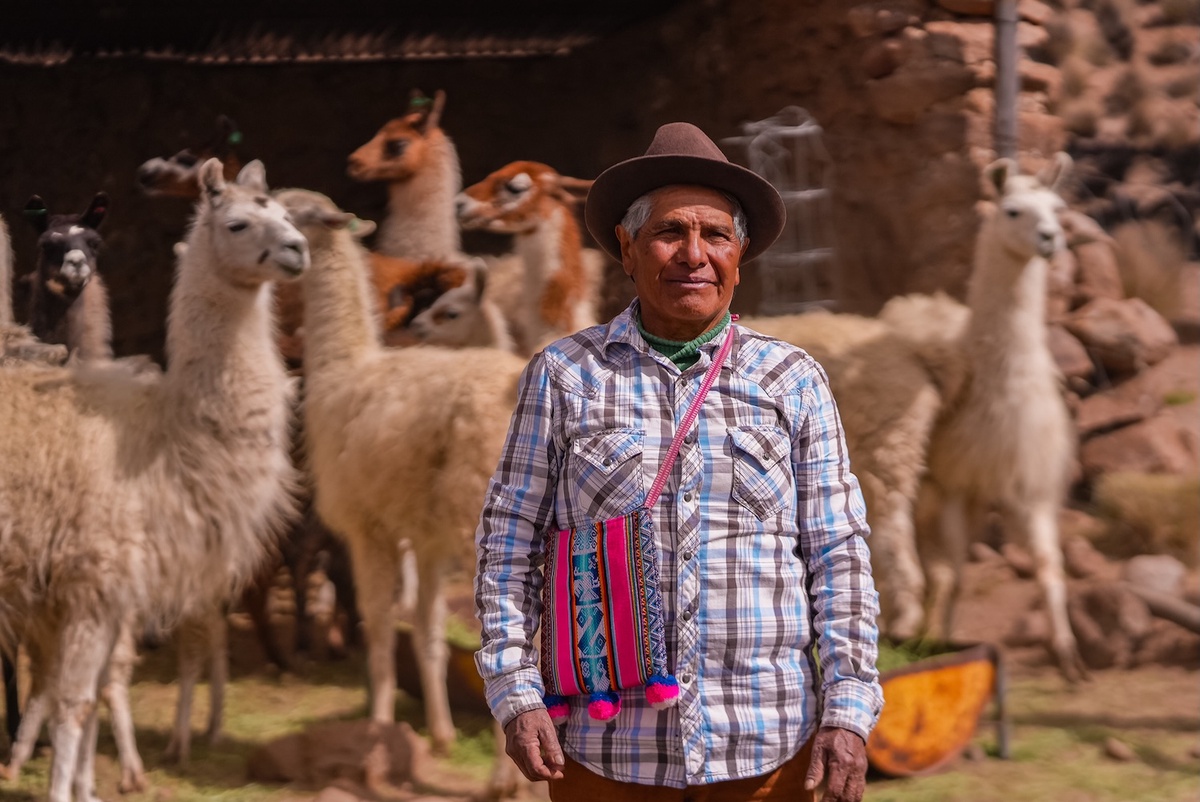
None of this suggests that meaningful change does not occur. Many travelers return home altered in perspective, sometimes profoundly. But lasting impact is more credible as an outcome than a promise.
When every itinerary is framed as life-changing, the language loses weight. By contrast, focusing on the careful design of experience restores substance to the narrative. Any deeper shift that follows becomes an earned result of a well-crafted journey rather than an advertised guarantee.
Experience Design Checklist for Operators
- Is the local community involved in shaping the narrative?
- Is context provided before and during the trip?
- Are travelers invited to participate meaningfully?
- Is impact transparently communicated?
- Is there a pathway for continued engagement?
The Next Phase of the Experience Economy
Pine and Gilmore famously argued that economies evolve from commodities to goods, to services, to experiences. They have also described a potential next stage beyond the Experience Economy, often referred to as a Transformation Economy, framing it as a progression in economic value rather than a clean or fully realized replacement. Adventure travel may sit near that intersection. Yet the sector’s long-term strength is likely to come not from chasing the next label, but from refining what it has consistently done well.
In an era shaped by climate volatility, geopolitical uncertainty, and shifting consumer expectations, resilience will come from depth.
Journeys must:
- Connect travelers meaningfully to place
- Build long-term relationships with communities
- Integrate education and reflection
- Prioritize transparency over hyperbole
Experience is no longer the future of tourism; it is the baseline expectation. The question for adventure travel is not whether it delivers experiences–it always has–but how intentionally, responsibly, and sustainably those experiences are crafted. A maturing experience economy invites the sector to elevate its design standards, deepen its partnerships, and measure success not only by emotional highs but by enduring value.
Adventure travel was built on experience long before the concept became management theory. By recommitting to depth over drama and relationship over rhetoric, the sector can help shape the next phase of the experience economy - grounded, participatory, and designed to create lasting meaning over time.